The U.S. Environmental Protection Agency (USEPA) has started the process to prioritize five additional toxic chemicals for risk evaluation under the nation’s chemical safety law. If USEPA designates the five chemicals as High Priority Substances, risk evaluations for these chemicals will begin. The following chemicals are prioritized for risk evaluation under the Toxic Substances Control Read More
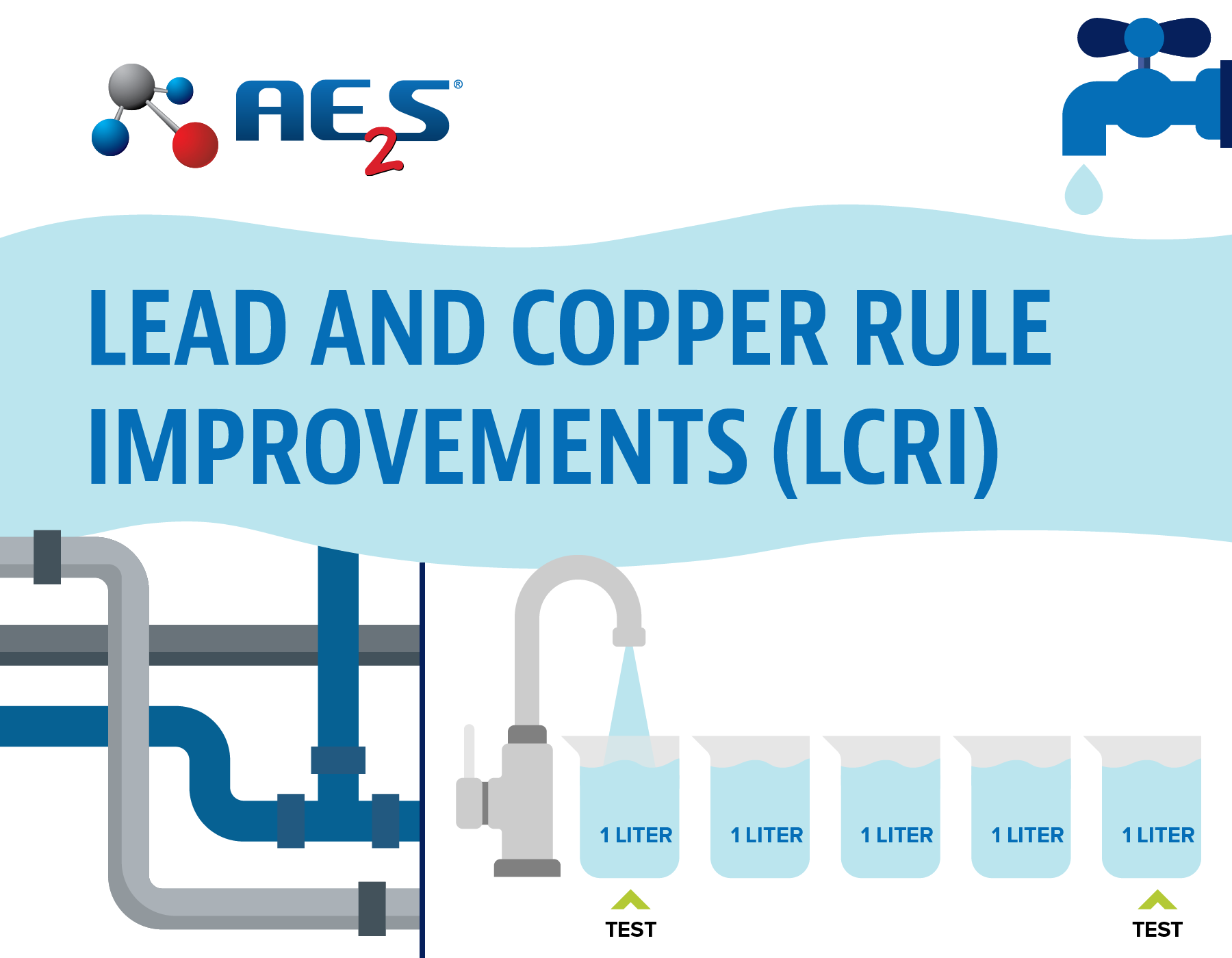
Proposed Lead and Copper Rule Improvements Published
On the last day of November, the U.S. Environmental Protection Agency (USEPA) announced the much-awaited proposed Lead and Copper Rule Improvements (LCRI). The water industry has been watching and waiting for the proposed changes to be released as water systems simultaneously work towards compliance with the Lead and Copper Rule Revisions (LCRR) deadline of October Read More
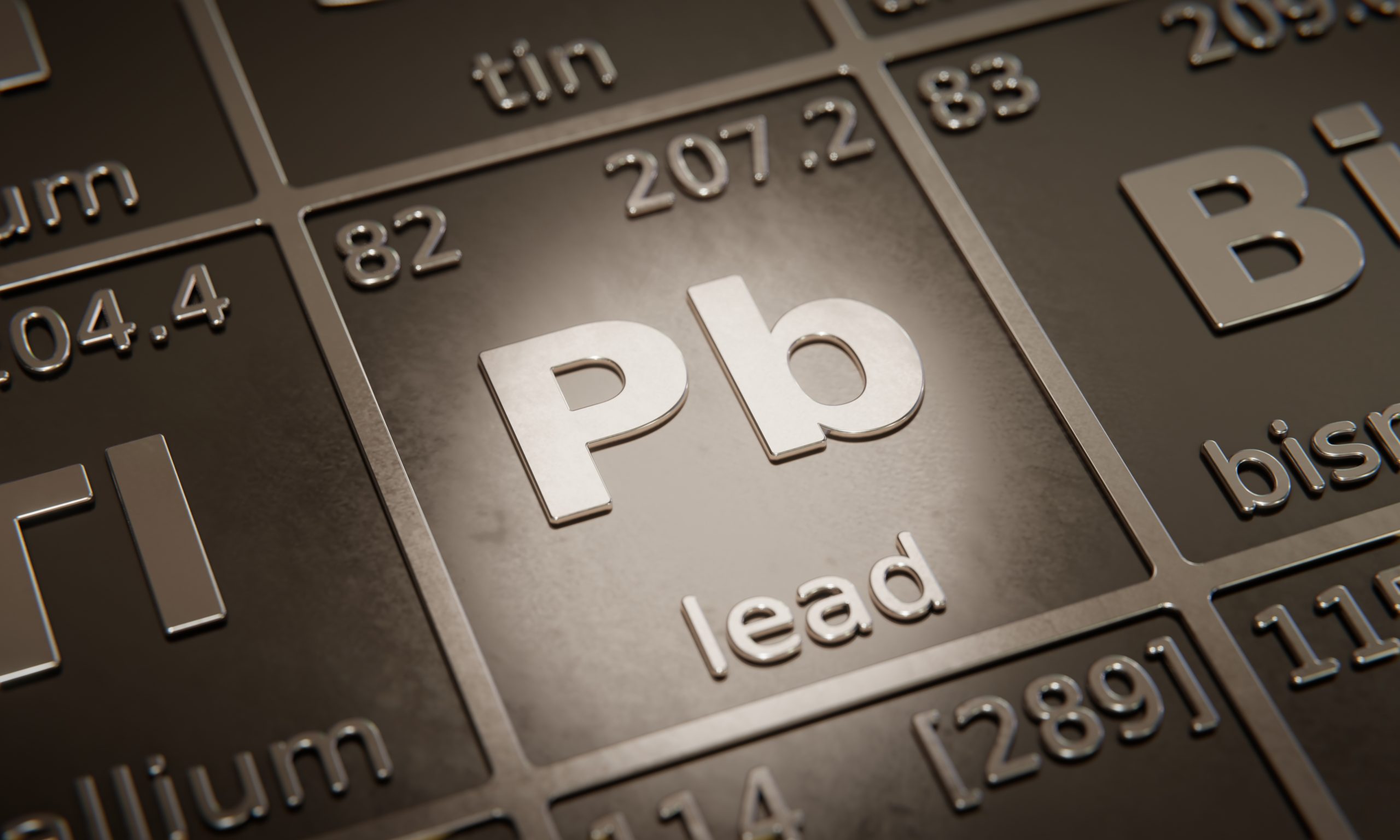
Get the Lead Out Initiative to Accelerate Removal of Lead Service Lines Nationwide
The U.S. Environmental Protection Agency (USEPA) announced the new Get the Lead Out (GLO) Initiative to help ensure safer drinking water for communities. Through the GLO initiative, which is funded entirely by the Bipartisan Infrastructure Law and is in partnership with the Department of Labor, USEPA will partner with 200 underserved communities nationwide to provide the technical Read More
Holiday FOG Alert – Clogged Pipes Ahead
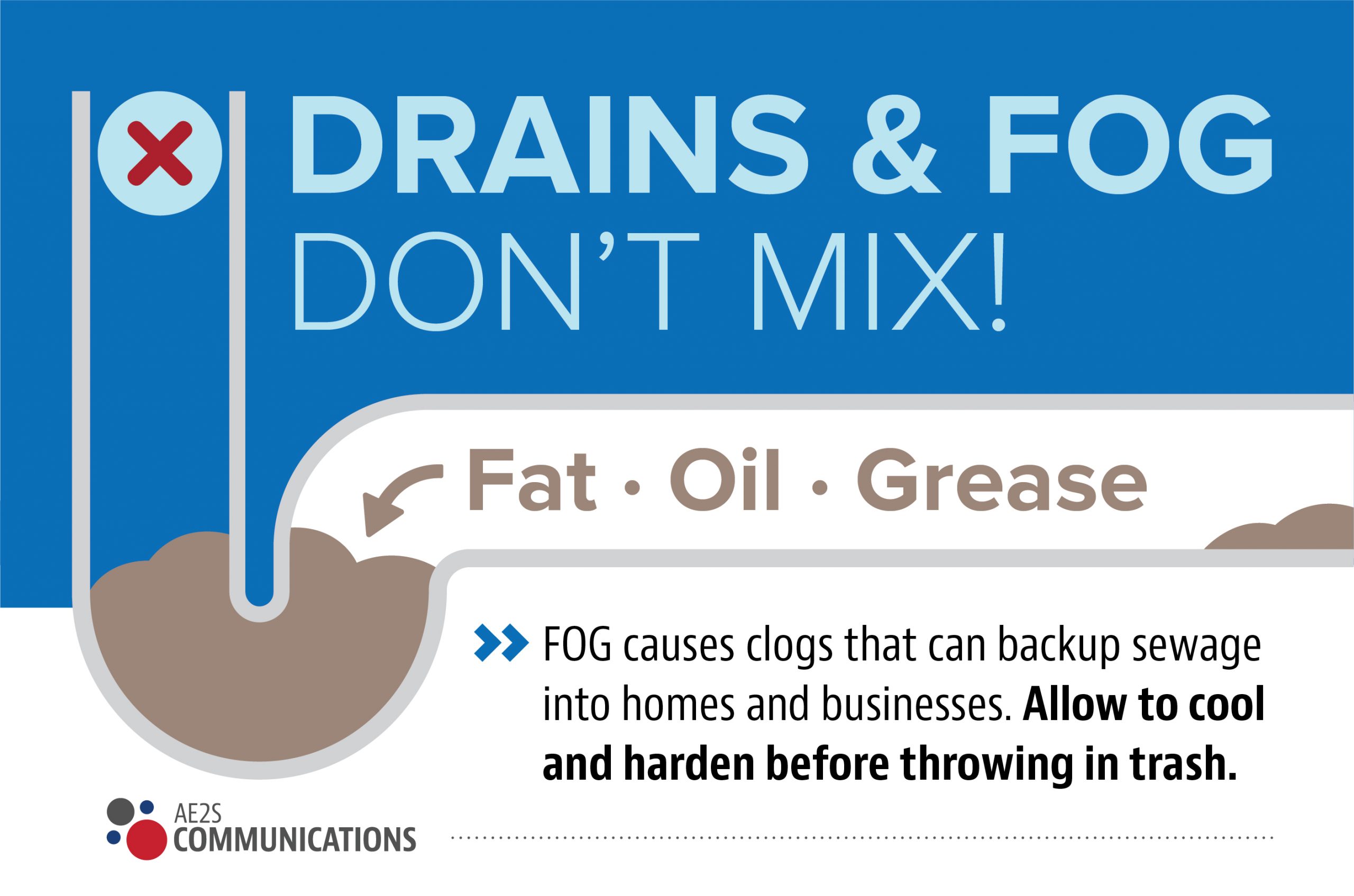
Tis the season…. for clogged drains? This time of year means big trouble for wastewater utilities when residents pour fat, oil, and grease (also known as FOG) down the drain where it can harden and clog pipes. The clogs can be expensive to address, but they are easy to prevent. “The best way to dispose Read More

Cybersecurity No Longer a Requirement for Sanitary Surveys
The U.S. Environmental Protection Agency (USEPA) rescinded its 2023 Cybersecurity Rule in October due to a lawsuit in the State of Missouri. The States of Missouri, Iowa, and Arkansas teamed with the American Water Works Association (AWWA) and the National Rural Water Association (NRWA) to challenge the regulation. The new rule, announced in March, would Read More
Clean Water Act of 2023 to be Considered by Congress
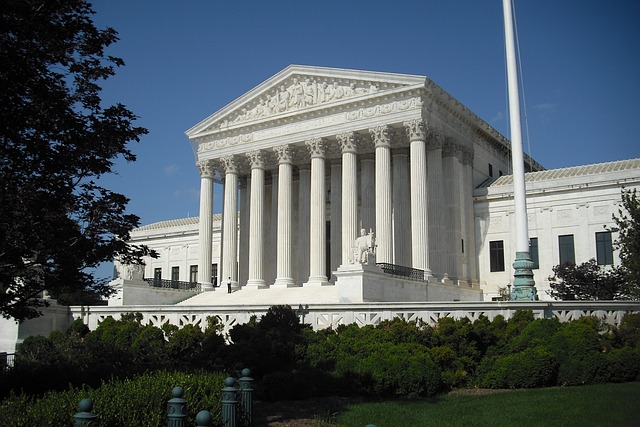
In mid-October, Democrats in the U.S. House of Representatives brought forth the Clean Water Act of 2023 in an attempt to counteract the Supreme Court’s interpretation of the definition of “navigable waters” related to the “waters of the United States” (WOTUS). Supporters say the Clean Water Act of 2023 would amend the Federal Water Pollution Read More