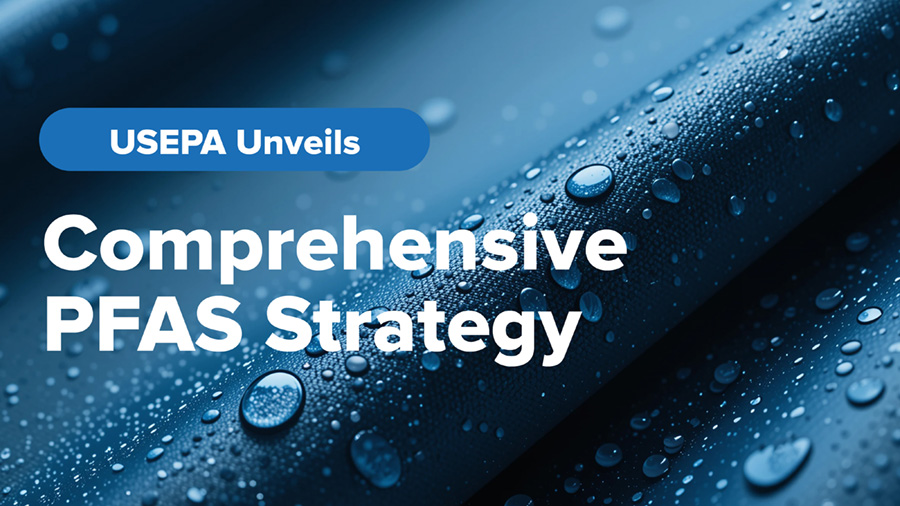
The U.S. Environmental Protection Agency (USEPA) announced a comprehensive strategy to address per- and polyfluoroalkyl substances (PFAS). At a May news conference, USEPA leaders outlined two proposed rules to regulate PFAS in drinking water. and announced $1 billion of funding to help water systems achieve compliance. As indicated in the summary table, the first proposed Read More
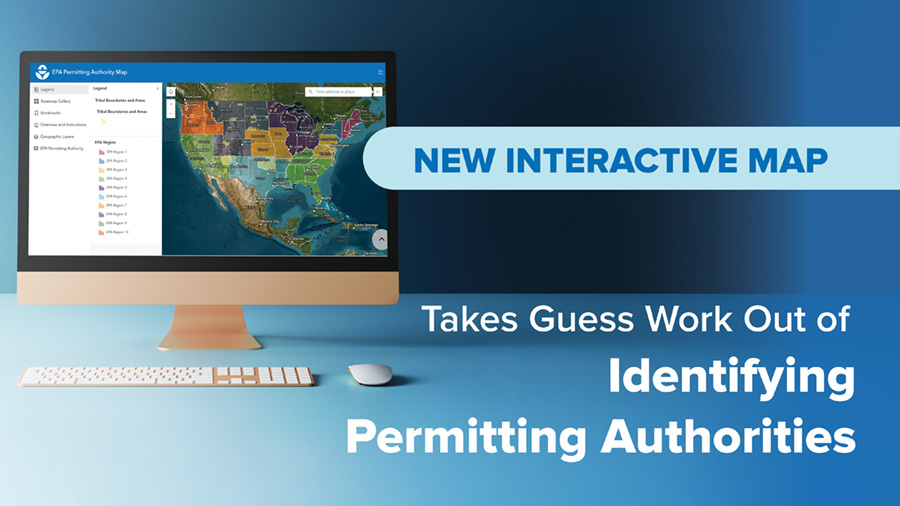
New Interactive Map Takes Guesswork Out of Identifying Permitting Authorities
A new interactive map aims to make life a little easier by identifying which regulatory agencies have the authority to issue permits covering all U.S. Environmental Protection Agency (USEPA) permitting programs and environmental statutes. The USEPA Permitting Authority Map provides Federal agencies, States, territories, Tribal nations, local agencies/governments, and the general public with: Although the USEPA directly Read More
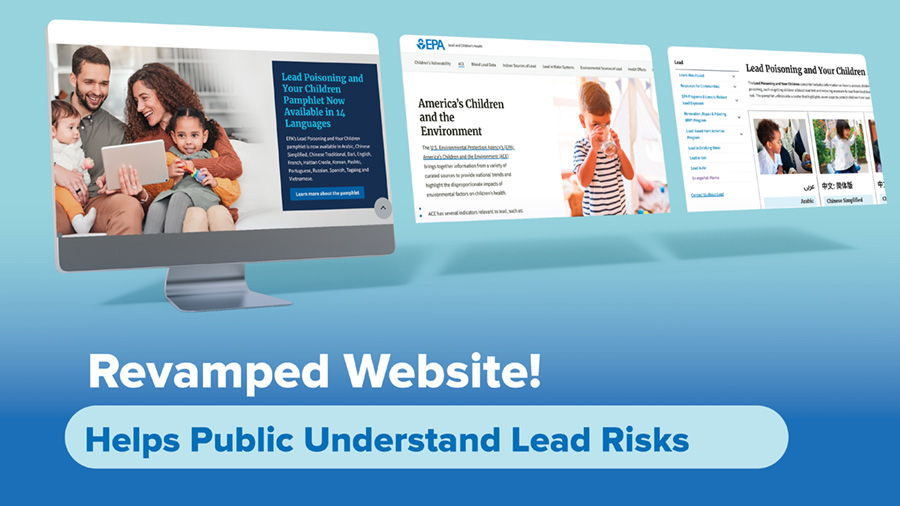
Revamped Website Helps Public Understand Lead Risks
A revamped website provides easy to understand information to the public about the health risks of lead. Water system leaders may want to review the information found on epa.gov/lead and consider linking to their water utility website to educate their customers. The lead in drinking water page may be particularly helpful as the lead service Read More

Cybersecurity Advisory Regarding Iranian-Affiliated Cyber Attacks
Four Federal entities issued a joint advisory to American organizations, including those in the water sector, about an urgent and ongoing Iranian-affiliated cybersecurity threat. The U.S. Environmental Protection Agency (USEPA), Federal Bureau of Investigation (FBI), Cybersecurity and Infrastructure Security Agency (CISA), and National Security Agency (NSA) warn that American organizations from multiple critical infrastructure sectors have Read More
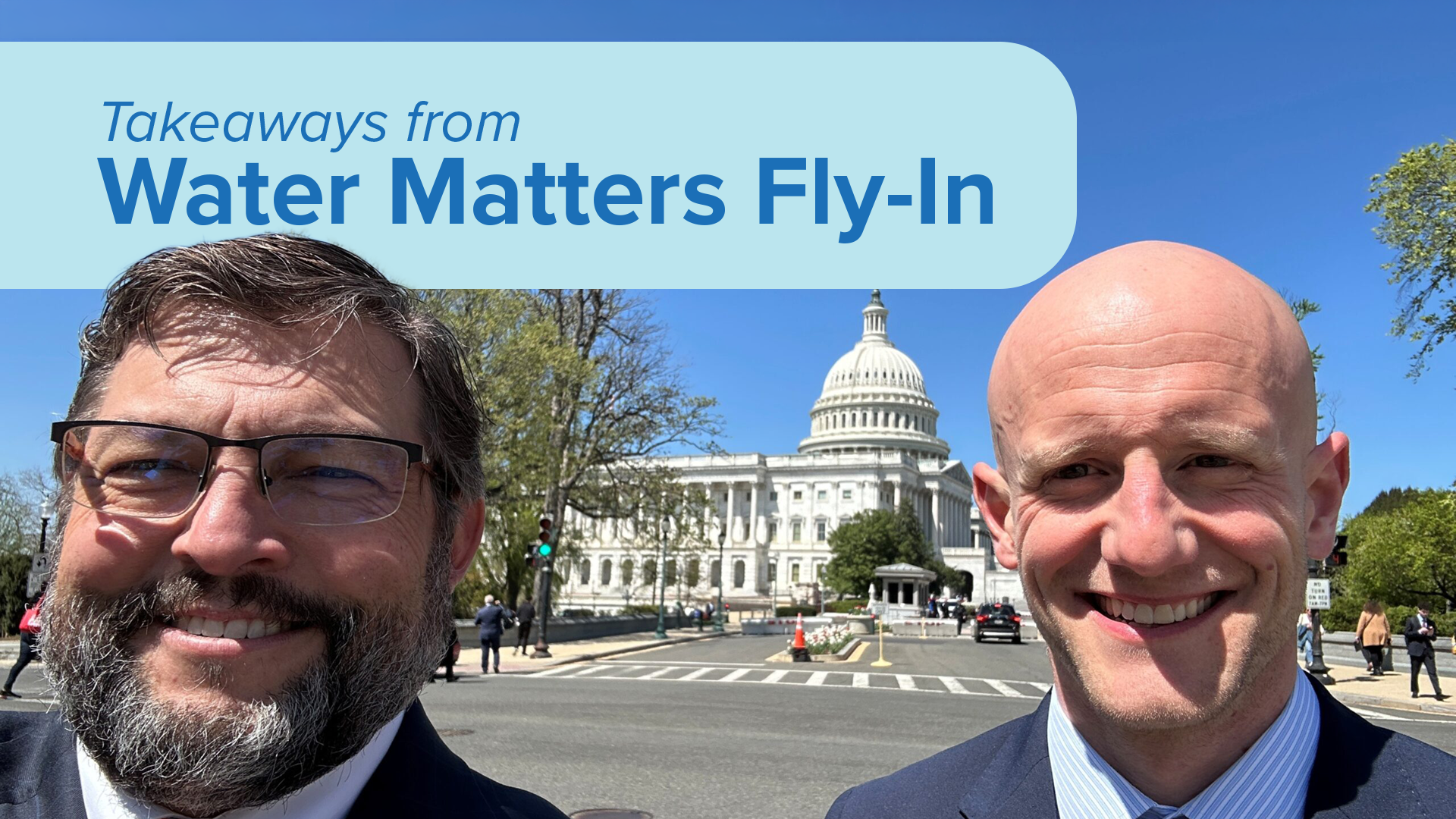
Takeaways from Water Matters Fly-In
Since 2001, the Government Affairs Office of the American Water Works Association (AWWA) hosts an event known as the Water Matters Fly-In in Washington, DC. The event represents a significant initiative of the Water Utility Council of AWWA, which is charged with providing oversight of the government affairs program. The purpose of the Water Matter Read More
Microplastics, Pharmaceuticals, and PFAS Included on Sixth Contaminant Candidate List
For the first time, the U.S. Environmental Protection Agency (USEPA) is including microplastics as a priority contaminant group. The draft Sixth Contaminant Candidate List (CCL 6) is now open for public comment. The CCL 6 also includes pharmaceuticals as a group for the first time, as well as per- and polyfluoroalkyl substances (PFAS), disinfection byproducts, Read More