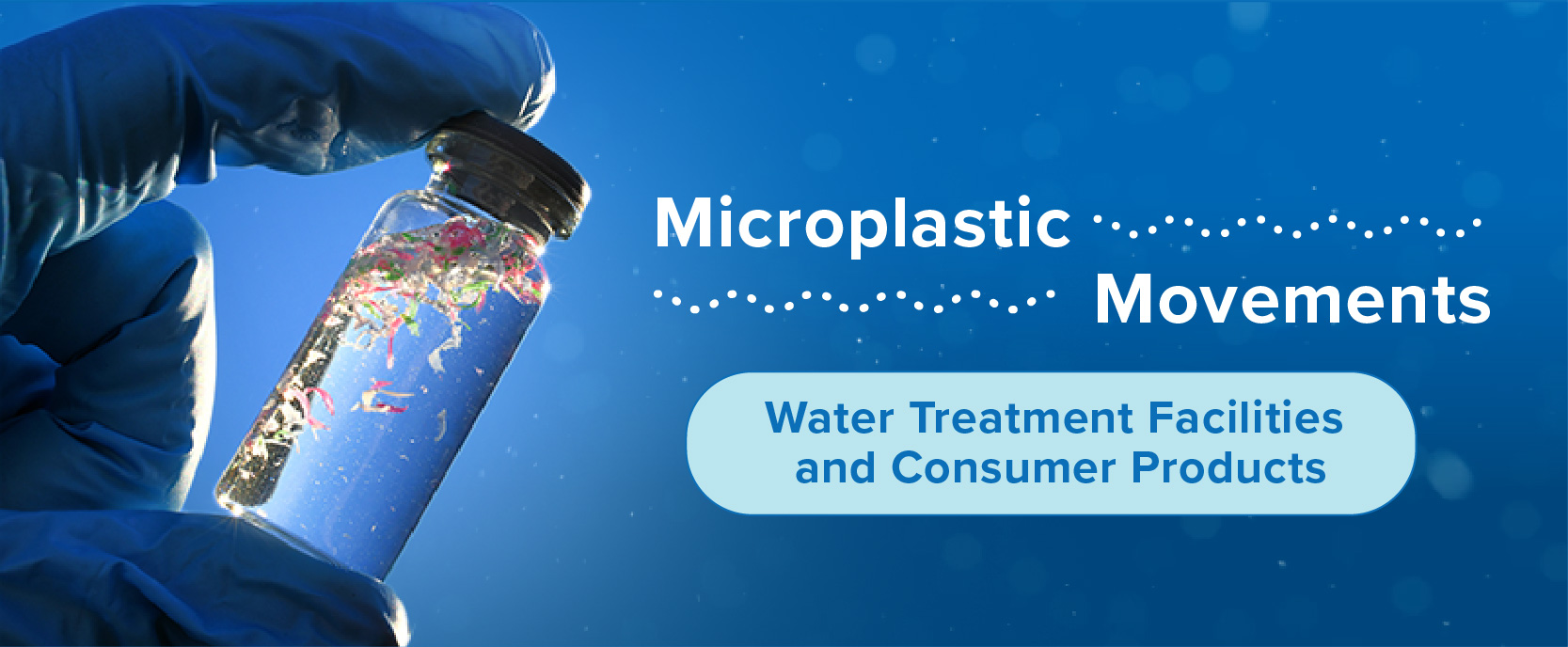
Microplastics (MPs) are a growing concern in the water industry. The U.S. Environmental Protection Agency (USEPA) continues to identify contaminants of concern, which serve as the source of candidates for the lists included in the Unregulated Contaminant Monitoring Rule (UCMR) framework. A few emerging contaminants have been identified for potential future regulation, with significant concerns Read More
Appeals Court Upholds PFAS “Hazardous Substances” Designation
The U.S. Environmental Protection Agency (USEPA) decision to designate some so-called “forever chemicals” as hazardous substances has been upheld by an appeals court. The decision by the U.S. Court of Appeals for the D.C. means companies that create or transport per- and polyfluoroalkyl substances (PFAS) may be held responsible for the future cleanup costs associated Read More
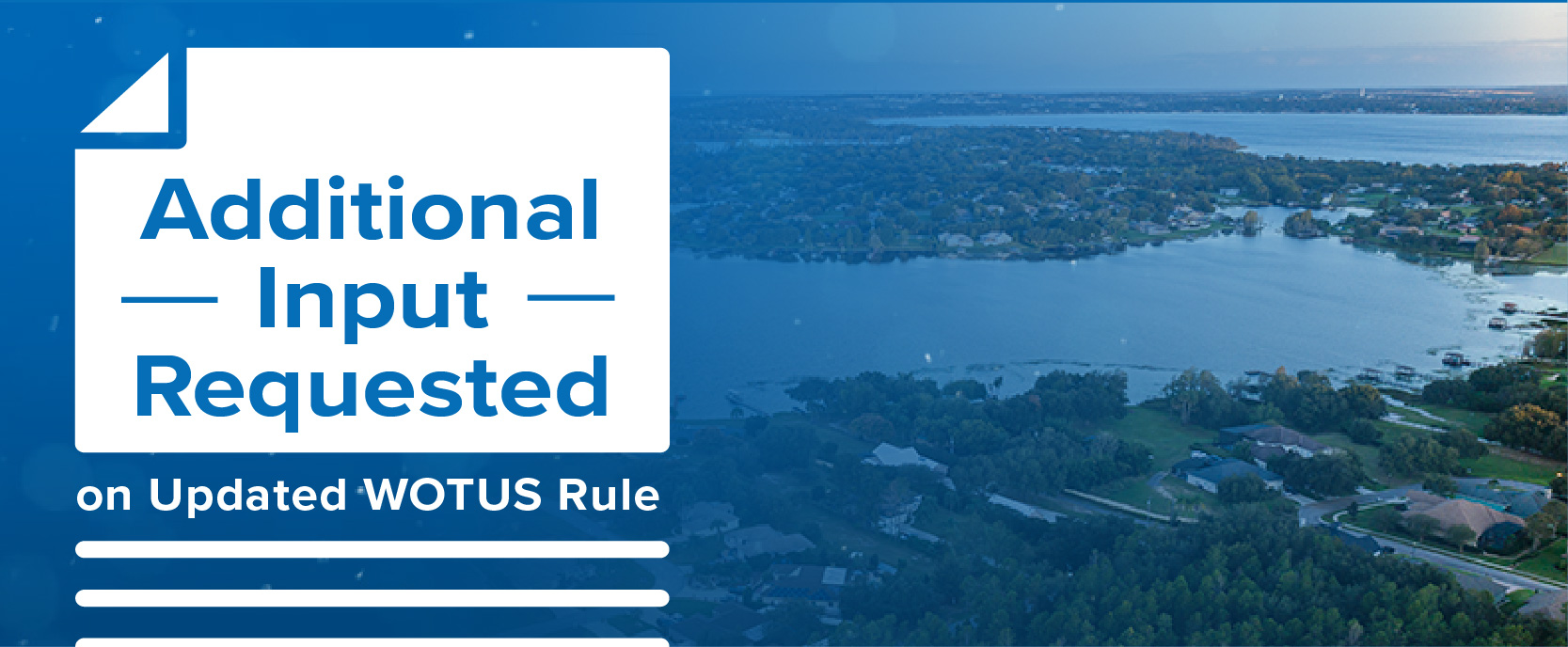
Additional Input Requested on Updated WOTUS Rule
The U.S. Environmental Protection Agency (USEPA) and the U.S. Department of the Army (Army) announced a Supplemental Notice of Proposed Rulemaking in September to gather public input on additional regulatory language for defining “waters of the United States” (WOTUS). The additional input will be considered when updating the 2025 proposed rule. Federal OR State, Tribal, Local Jurisdiction? The supplemental proposed Read More
Cybersecurity Bill for Water Utilities Introduced in U.S. Senate
Cyberattacks against water utilities prompted U.S. Senators Amy Klobuchar of Minnesota and Adam Schiff of California to introduce the Water Cyber Shield Act in mid-August. The legislation aims to strengthen Federal oversight by the U.S. Environmental Protection Agency (USEPA), provide funding for utilities, and safeguard drinking water and wastewater systems from cyberattacks. “The recent cyberattacks on Read More
Protecting Your Water and Wastewater System from Cyberattacks
The Federal Bureau of Investigation (FBI) and U.S. Environmental Protection Agency (USEPA) are warning the operators of critical infrastructure, such as water and wastewater utilities, to guard against cyberattacks. Since July, municipal water and wastewater systems in Minnesota, South Dakota, Wisconsin, Michigan, New York, New Jersey, Georgia, Alabama, Pennsylvania, Washington, and California have reported cybersecurity Read More
Cybersecurity Best Practices for Control Systems
State sponsored and financially motivated cyber criminals have targeted automation systems including those that serve water, electricity, and gas utilities. Securing these systems and their digital assets is critical to ensure reliability and continued operations. Common Threats Common cyber threats that may affect control systems include: Rogue Control: Unauthorized party takes control of a system to Read More