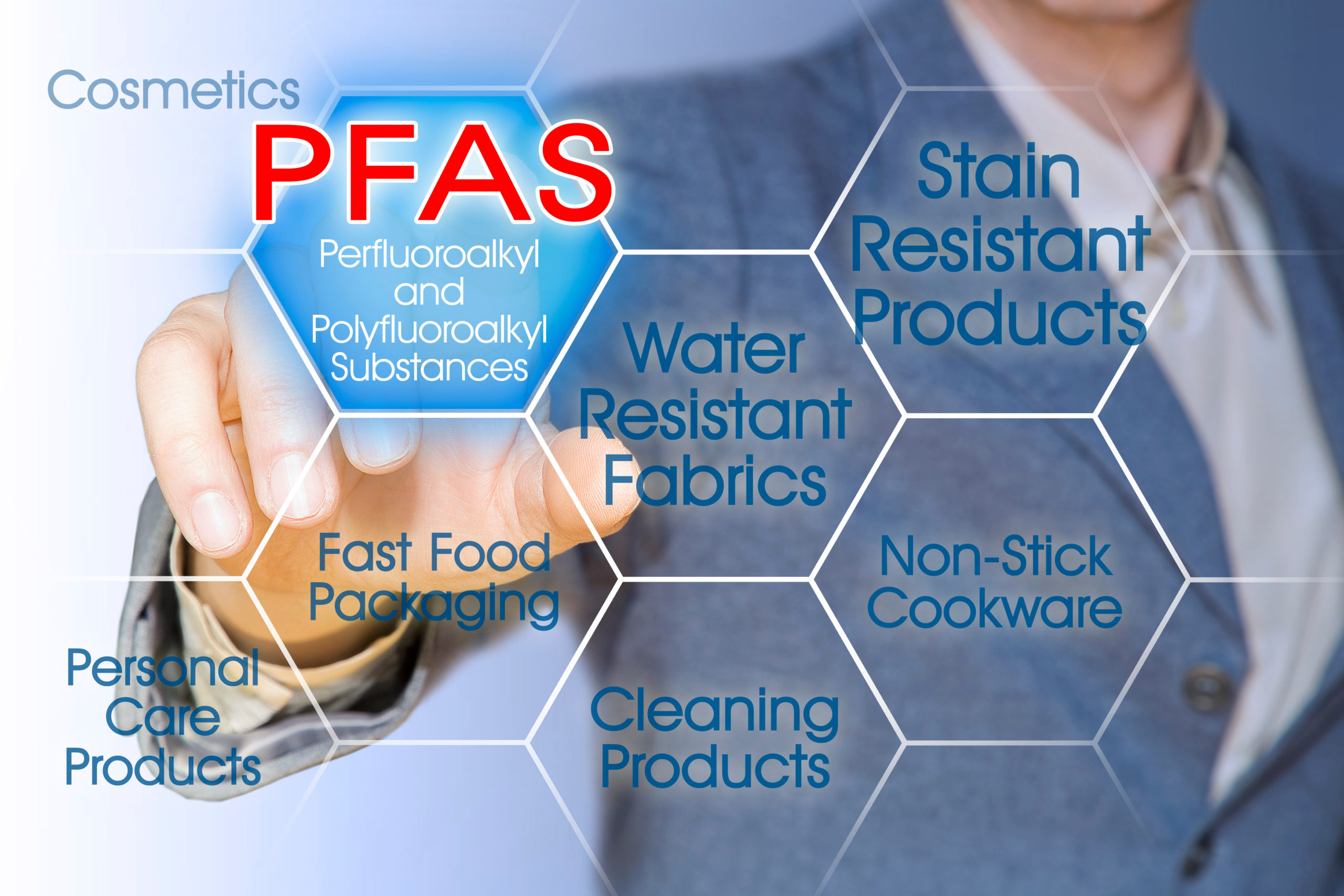
The U.S. Environmental Protection Agency (USPEA) has issued the fourth Toxic Substances Control Act (TSCA) test order requiring testing on per- and polyfluoroalkyl substances (PFAS) under USEPA’s National PFAS Testing Strategy. This action orders the 3M Company and Wacker Chemical Corporation to conduct and submit testing on the physical-chemical properties of 2-(N-Methylperfluoro-1-octanesulfonamido) ethanol (NMeFOSE), including testing Read More
Asbestos Ban to Affect Eight Chlorine Manufacturers
The U.S. Environmental Protection Agency (USEPA) announced a final rule to prohibit ongoing uses of chrysotile asbestos, the only known form of asbestos currently used in or imported to the United States. The ban is the first rule to be finalized under the 2016 amendments to the nation’s chemical safety law, the Toxic Substances Control Read More
Risk Management Program Amendments Related to Chemical Facilities
The U.S. Environmental Protection Agency (USEPA) announced the finalized amendments to the Risk Management Program (RMP) to further protect at-risk communities from chemical accidents, especially those located near facilities in industries with high accident rates. The “Safer Communities by Chemical Accident Prevention Rule” includes USEPA’s most protective safety provisions for chemical facilities in history, requiring Read More

Proposed Rules for PFAS and Other Emerging Chemicals of Concern
The U.S. Environmental Protection Agency (USEPA) announced the latest efforts to protect communities and the environment from the health risks posed by certain per- and polyfluoroalkyl substances (PFAS). PFAS are long-lasting chemicals that break down very slowly over time, and they have been used in many different consumer, commercial, and industrial products. USEPA proposes two Read More

Cybersecurity Incident Response Guide for Water and Wastewater Systems
The Cybersecurity and Infrastructure Security Agency (CISA), Federal Bureau of Investigation (FBI), and U.S. Environmental Protection Agency (USEPA) collaborated on the new Incident Response Guide: Water and Wastewater Sector. The guide provides best practices for cyber incident response, including the four stages of the incident response lifecycle: CISA, the FBI, and USEPA say technical expertise Read More
New Year Brings New PFAS Regulations
The new year ushered in a slew of new regulations on “forever chemicals” in states, as well as the anticipated finalization of the proposed drinking water regulation at the Federal level. Safe Drinking Water Act Standards for PFAS U.S. Environmental Protection Agency (USEPA) intends to finalize new drinking water standards for Per- and Polyfluoroalkyl Substances Read More