
Cybersecurity risks to public water systems are raising alarm across the country as the U.S. Environmental Protection Agency (USEPA) released new guidance stressing the need for States to assess risks to protect public drinking water. The USEPA says survey results and reports of recent cyberattacks show that many have not adopted basic cybersecurity best practices Read More
Chemical Supply Shortages Likely After Plant Damaged by Fire
The U.S. Environmental Protection Agency, American Water Works Association, and National Rural Water Association have issued warnings to water and wastewater utilities of potential imminent chemical supply chain problem after a fire at a plant that produces two common treatment chemicals. The January 11th fire at Carus Chemical Company damaged or destroyed multiple structures at Read More
WOTUS Definitions Finalized, Lawsuit to Block Implementation Filed
The U.S. Environmental Protection Agency (USEPA) and the U.S. Department of the Army announced a final rule that establishes a definition of “Waters of the United States” (WOTUS). USEPA and the U.S. Department of the Army say the final WOTUS Rule (Rule) restores essential water protections that were in place prior to 2015 under the Read More
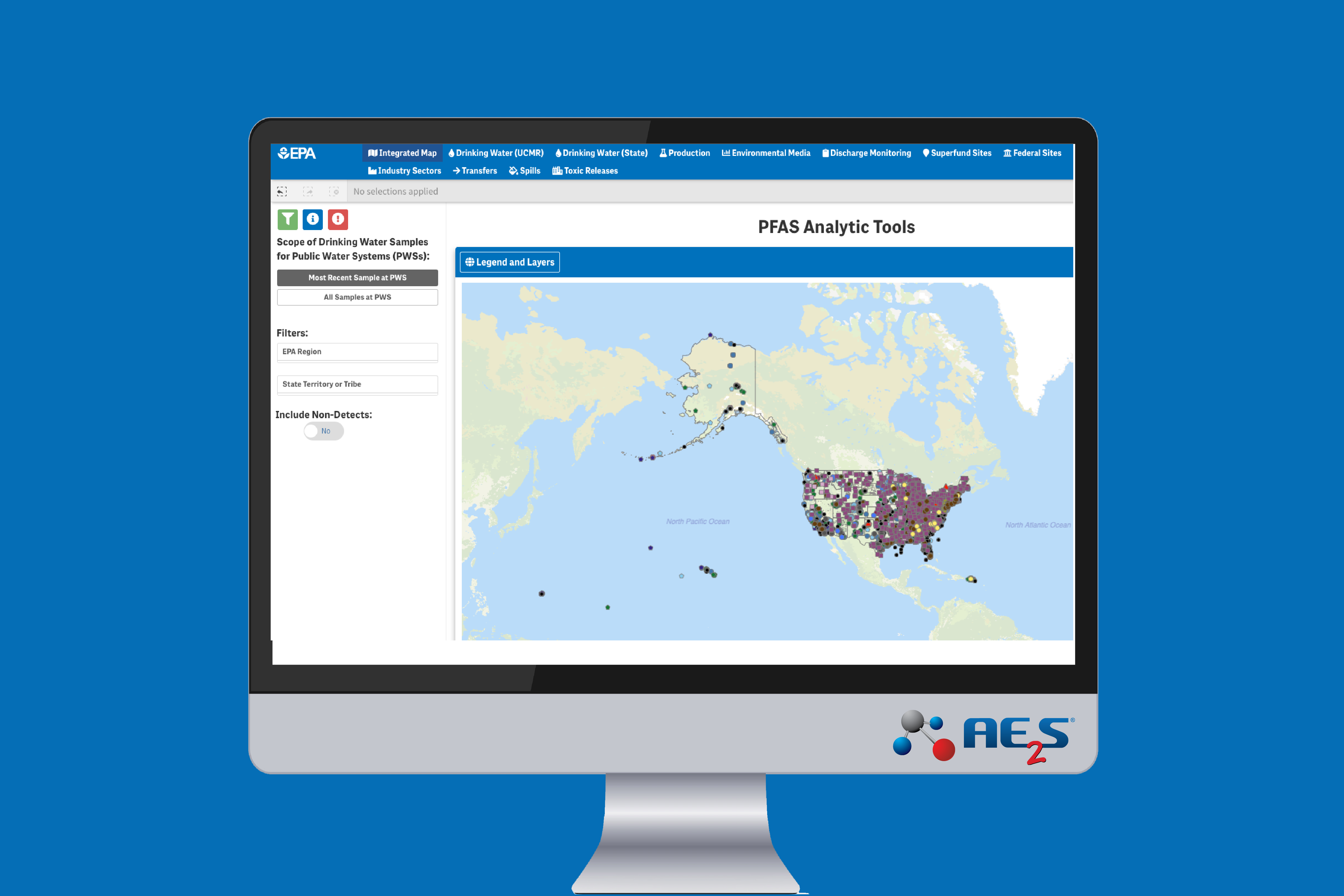
New PFAS Analytic Tools Released
The U.S. Environmental Protection Agency (USEPA) has released a new interactive webpage, called the “PFAS Analytic Tools,” which provides information about per- and polyfluoroalkyl substances (PFAS) across the country. The information will help the public, researchers, and other stakeholders better understand potential PFAS sources in their communities. The PFAS Analytic Tools bring together multiple sources Read More
Request to Halt Litigation Over Lead and Copper Rule Revisions
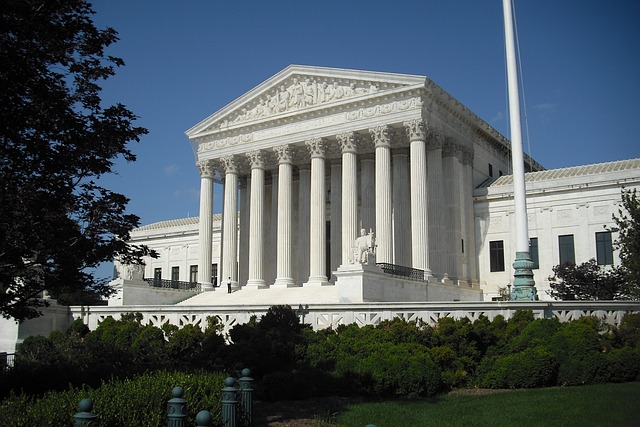
In mid-December, the U.S. Environmental Protection Agency (USEPA) asked the United States Court of Appeals for the District of Columbia Circuit to halt litigation over the Lead and Copper Rule Revisions (LCRR) in the case of Newburgh Clean Water Project v. U.S. EPA. The case was filed in January 2021 and includes the following parties: Read More
Guidance Issued to States to Reduce PFAS Pollution
The U.S. Environmental Protection Agency (USEPA) recently released a memorandum to States that provides direction on how to use the nation’s clean water permitting program to protect against per- and polyfluoroalkyl substances (PFAS). The guidance outlines how States can monitor for PFAS discharges and take steps to reduce them where they are detected, which is Read More