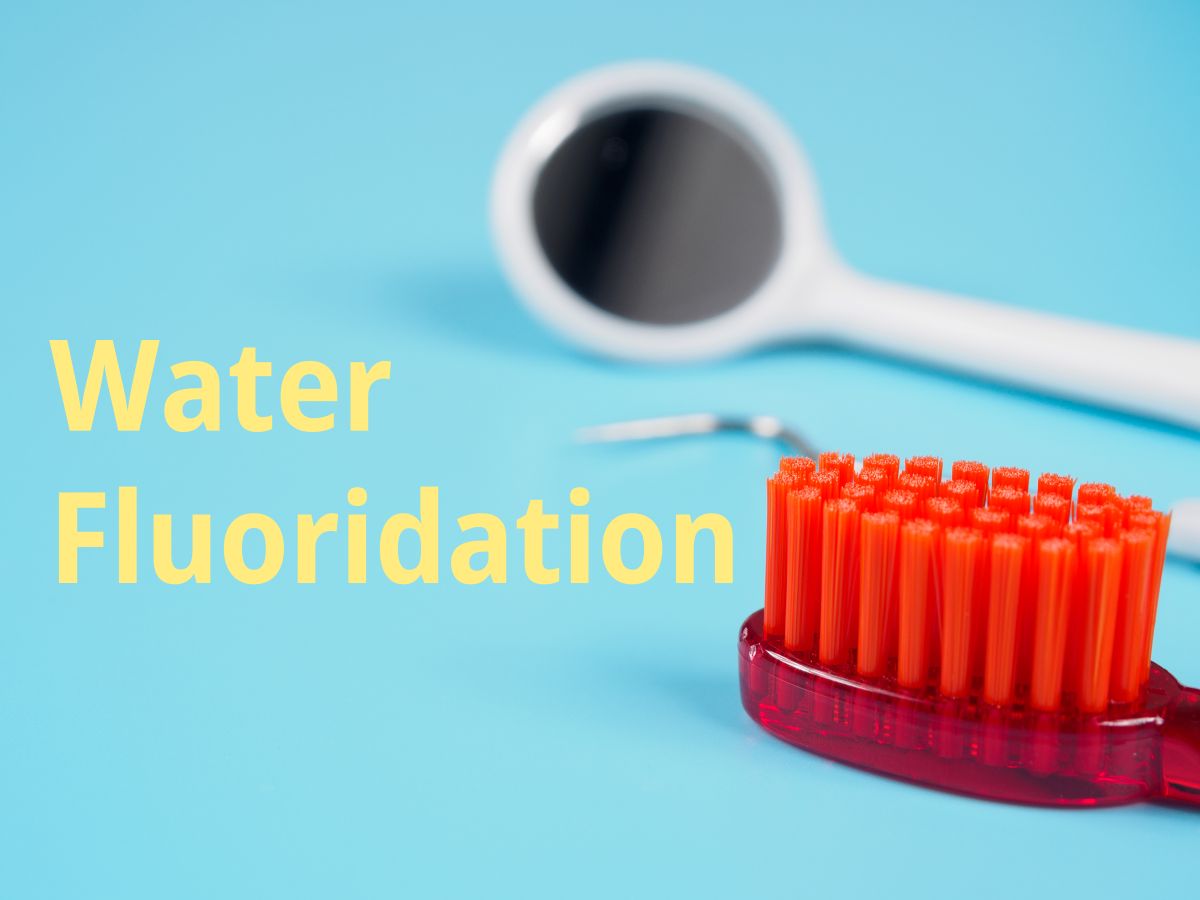
Water fluoridation can be a controversial topic, and it continues to spark discussion in 2025. Utah is the first State to ban fluoridation, as the legislature and Governor Spencer Cox have approved the statewide prohibition of fluoridation in drinking water. The legislation will go into effect May 7, 2025. South Dakota’s Legislature recently considered removing Read More
Organizations Laud Bipartisan Bill to Improve Rural Water Financing Options
The National Rural Water Association (NRWA) and Rural Community Assistance Partnership (RCAP) have announced support for a bipartisan bill to provide small and rural water systems access to the U.S. Department of Agriculture’s (USDA) Water and Environmental Programs (WEP). The Assistance for Rural Water Systems Act of 2025 aims to help rural communities complete critical Read More
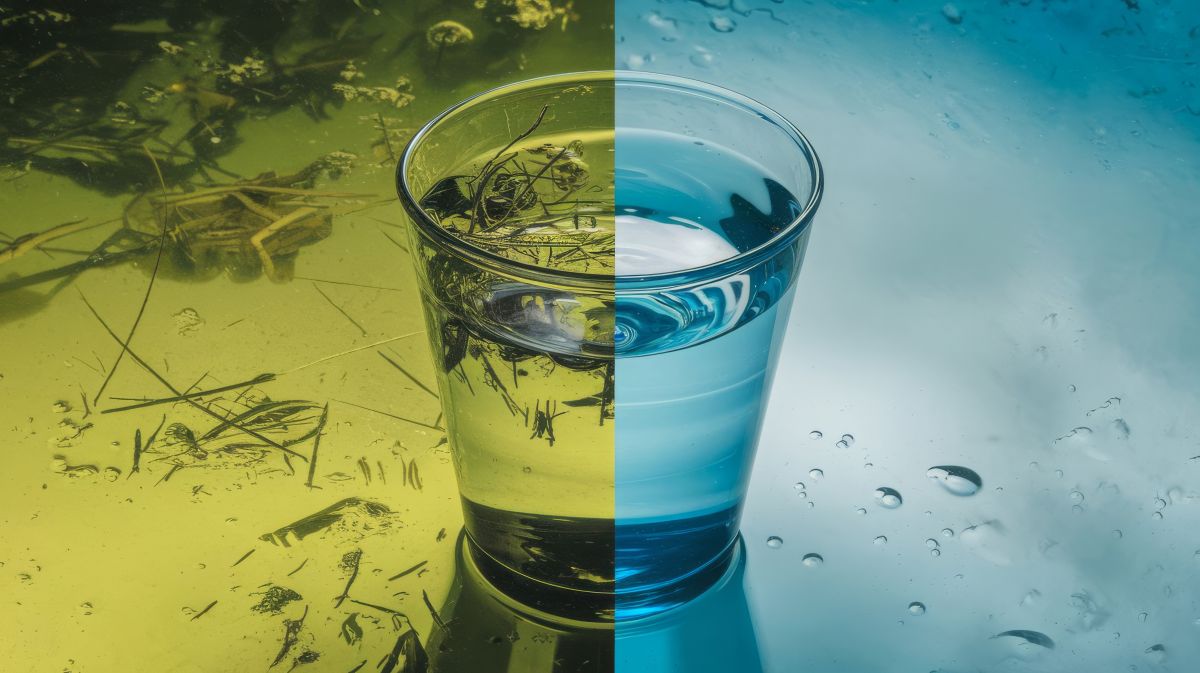
Headline Alert: National Consumer Watchdog Group Highlights Contaminants in Public Water Supplies
The Environmental Working Group (EWG), a consumer watchdog organization, published its latest Tap Water Database. The EWG’s latest analysis includes water quality data collected between 2021 and 2023 from nearly 50,000 water systems. It identified 324 contaminants in drinking water across the country, including per- and polyfluoroalkyl substances (PFAS). The release of the database could cause concern from members of Read More
Nine PFAS Added to Toxics Release Inventory
The year began with the addition of nine per- and polyfluoroalkyl substances (PFAS) to the list of chemicals covered by the Toxics Release Inventory (TRI). The U.S. Environmental Protection Agency (USEPA) collects the data annually from facilities in designated industry sectors and Federal facilities that manufacture, process, or otherwise use TRI-listed chemicals above set quantities. Read More
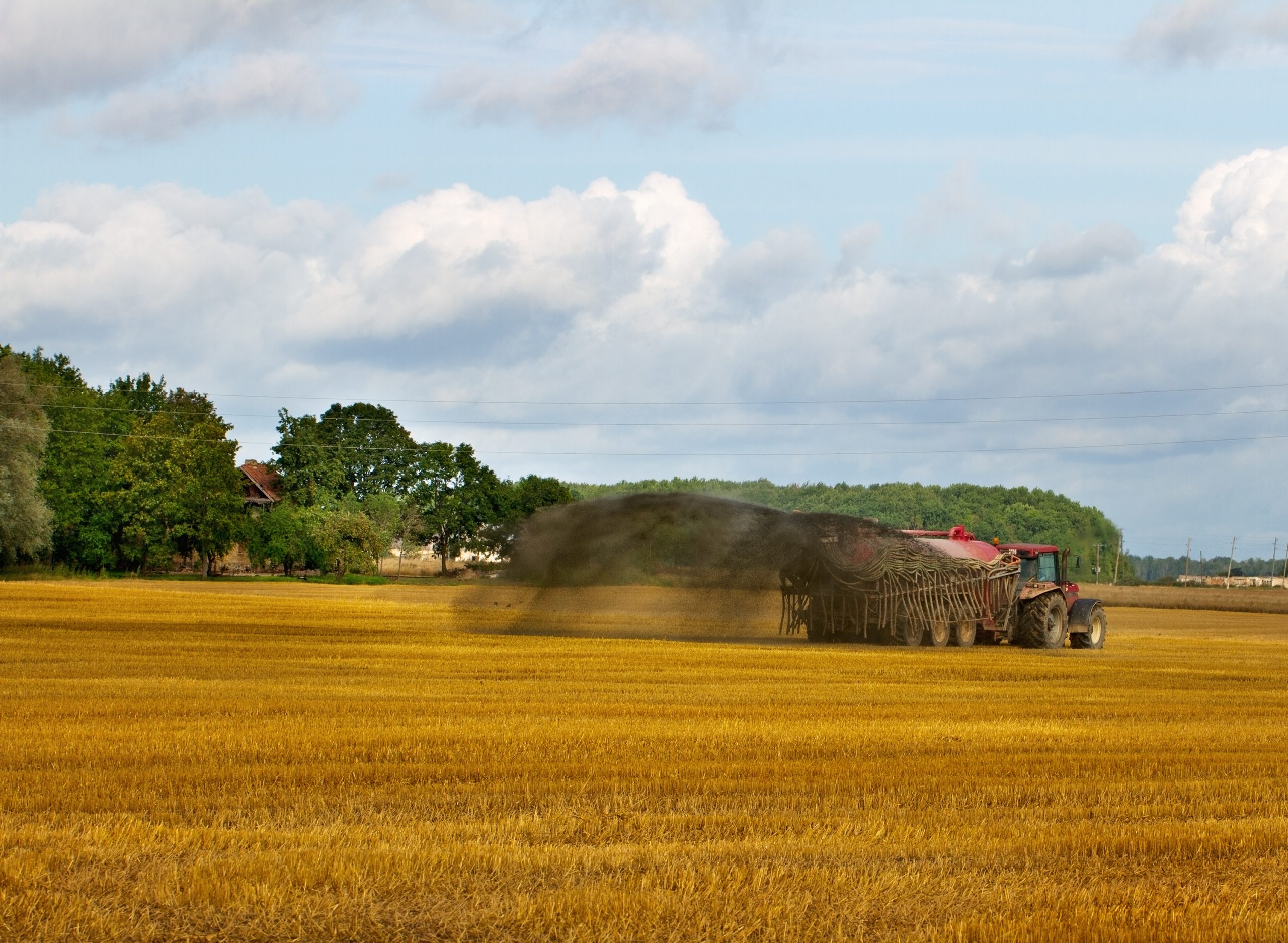
Insight into Draft Risk Assessment About PFAS in Biosolids
The U.S. Environmental Protection Agency (USEPA) released a draft risk assessment in January of the potential human health risks associated with the presence of toxic per- and polyfluoroalkyl substances (PFAS) chemicals in biosolids. Specifically, the scientific evaluation of PFAS in sewage sludge (biosolids) assessed the risk of two PFAS compounds, perfluorooctanoic acid (PFOA) and perfluorooctanesulfonic acid (PFOS), Read More
What’s on the regulatory horizon for 2025 and beyond?
The new year brings questions about the regulatory outlook. December 16th marked the 50th anniversary of the Safe Drinking Water Act (SDWA), representing a milestone event allowing the United States Environmental Protection Agency (USEPA) to regulate the quality of water delivered to the public through a series of drinking water regulations that continue to evolve. Read More