
Looking back at 2025, the word “uncertainty” resonates with me as I reflect upon regulations that remain under judicial review, economic trends that contribute to elevated project costs, and potential opportunities and challenges that Artificial Intelligence (AI) brings. As we turn our attention to 2026, the focus shifts from uncertainty to preparation. Our goal is to help our clients anticipate what’s coming, Read More
Tag: PFAS
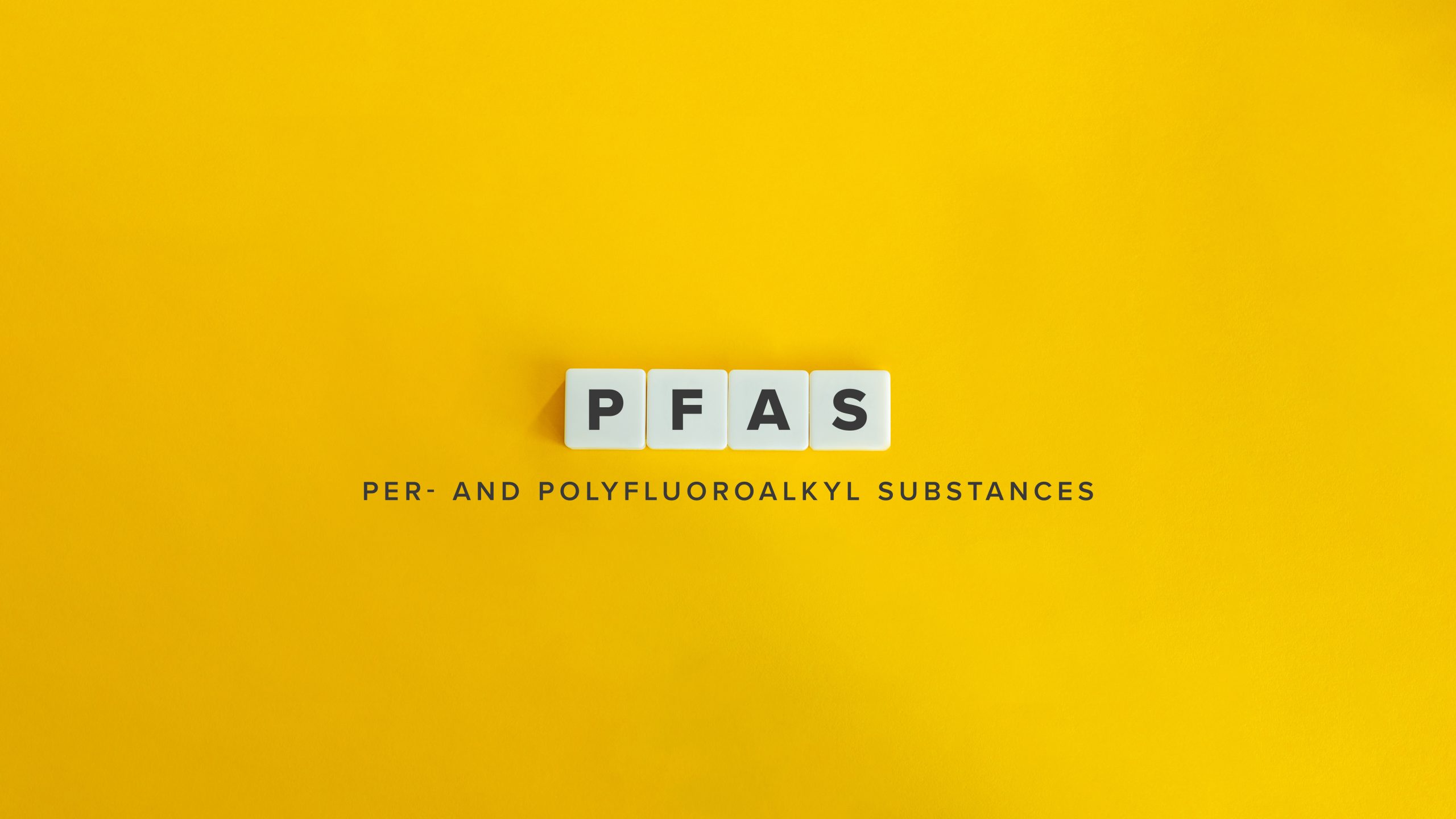
Minnesota Researchers Explore New Way to Remove PFAS from Groundwater
Researchers at the University of Minnesota Twin Cities (U of M) may have discovered a new practical and cost-effective way to clean up PFAS-contaminated groundwater. PFAS (per- and poly fluoroalkyl substances), often called “forever chemicals,” are human-made substances that don’t easily break down and can accumulate in drinking water and the environment. The U of M study tested a polymer-stabilized Read More
Proposed Changes Aim to Reduce PFAS Reporting Burden
The U.S. Environmental Protection Agency (USEPA) has announced a proposal to improve its perfluoroalkyl and polyfluoroalkyl substances (PFAS) reporting regulations under the Toxic Substances Control Act (TSCA). The goal of the proposed changes is to make the reporting requirements more practical and implementable. The update aims to improve a Biden Administration era PFAS reporting and recordkeeping regulation under TSCA section 8(a)(7) that required manufacturers and importers of PFAS to Read More

PFAS Study Indicates Widespread Contamination
Researchers at the PFAS Project Lab at Northeastern University have made an unsettling discovery – per- and polyfluoroalkyl substances (PFAS) contamination in the United States is more widespread than previously thought. Researchers at the PFAS Project Lab released updates to their Known PFAS Contamination Site Tracker and the Presumptive PFAS Contamination Dataset. The tools identify Read More
Ninth Set of UCMR 5 Data Released
The U.S. Environmental Protection Agency (USEPA) published its ninth set of national drinking water data collected under the fifth Unregulated Contaminant Monitoring Rule (UCMR 5). The UCMR 5 requires sample collection for 30 chemical contaminants between 2023 and 2025. The collected data helps measure the amount of 29 per- and polyfluoroalkyl substances (PFAS) and lithium in Read More
Water Organization Submits Comments on PFAS Drinking Water Standard
One of the largest water organizations in the world submitted input to the National Drinking Water Advisory Council (NDWAC) about upcoming revisions to the per- and polyfluoroalkyl substances (PFAS) drinking water standard. The American Water Works Association (AWWA) underlined the need for a PFAS rule that protects public health, follows scientific process, and can be Read More