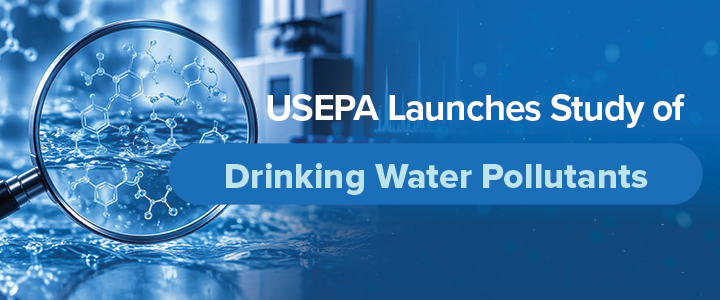
The U.S. Environmental Protection Agency (USEPA) is undertaking a new scientific study to improve the understanding of what pollutants may be present in drinking water. The research will screen for a broad array of pollutants, including pharmaceuticals, per- and polyfluoroalkyl substances (PFAS), and more than 1,000 potential contaminants.
The study will use Non-Targeted Analysis, which can identify unknown pollutants present in a drinking water sample. While conventional analytical methods measure a handful of specific chemicals at a time, Non-Targeted Analysis allows researchers to scan for thousands of potential pollutants. The resulting insights will help USEPA prioritize future regulatory actions to ensure that drinking water is safe.
The study complements the existing Safe Drinking Water Act programs being implemented by USEPA. Earlier this year, USEPA released the draft Sixth Contaminant Candidate List (CCL 6), which prioritizes funding, research, and information collection to better understand the potential health risks of unregulated contaminants in drinking water. For the first time, microplastics and pharmaceuticals are listed as priority contaminant groups on the draft CCL 6. In addition, the proposed Sixth Unregulated Contaminant Monitoring Rule (UCMR 6) would require monitoring for contaminants that are not currently regulated but may be present in drinking water. UCMR 6 would require monitoring using existing approved methods to detect 30 unregulated contaminants. USEPA says the Non-Targeted Analysis will help fill in the gaps that are not addressed by the CCL or UCMR.